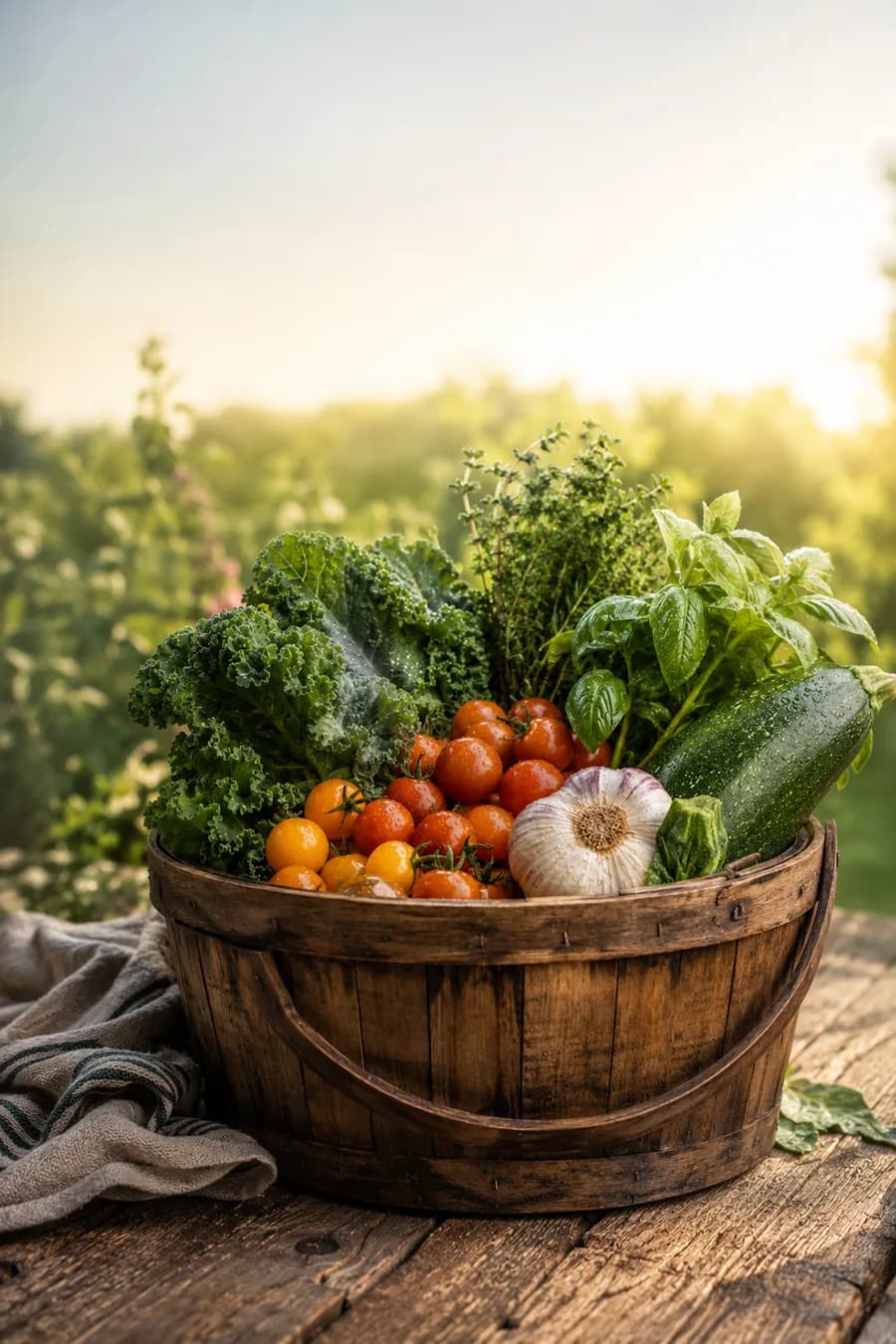
10 Vegetables That Are Almost Impossible to Kill (Even If You've Never Gardened Before)
Every year, thousands of people decide this is the year they'll finally start a garden. They buy a tomato plant, water it twice, and watch it die. Then they decide gardening "isn't for them" and never try again.
The dirty secret of gardening is that some plants are bulletproof and some are divas. Beginners almost always start with the divas — tomatoes, peppers, anything that looked good at the grocery store — without anyone telling them which ones forgive mistakes and which ones hold a grudge.
This is the bulletproof list. These are the vegetables that:
- Tolerate inconsistent watering
- Don't need you to fertilize on a schedule
- Bounce back from neglect, sunburn, transplant shock
- Produce something you'll actually want to eat
- Work in containers if you don't have a yard
Start here. If even one of these dies on you, that's a sign of a different problem (drainage, sunlight, soil) — not a lack of "green thumb."
🟥 1. Radishes
Why they're bulletproof: Radishes go from seed to harvest in 25–30 days. There's barely time for anything to go wrong.
Plant: Direct-sow seeds half an inch deep, an inch apart, in a sunny spot. They tolerate cool weather and even some frost. Spring and fall are best — they get woody and bitter in summer heat.
Watering: Keep soil moist. They'll crack if it dries out and then floods.
The catch: They taste better than anything you'll buy in a store, but they're a single-harvest crop. One radish per seed.
🫘 2. Green Beans (Bush Type)
Why they're bulletproof: They make their own fertilizer (literally — they fix nitrogen from the air into the soil), they don't need staking, and they shrug off most pests.
Plant: Wait until soil is warm (60°F+ minimum), direct-sow 1 inch deep, 4 inches apart. Bush varieties don't need a trellis.
Watering: Once a week deep watering once they're established.
The catch: None, really. The harder part is keeping up with the harvest — bush beans produce all at once, then stop. Plant a new row every 2 weeks for a continuous supply.
🥒 3. Zucchini
Why they're bulletproof: Zucchini is so productive that the actual joke among gardeners is locking your car in summer to avoid neighbors leaving zucchini on your seat.
Plant: One or two plants is all you need. Direct-sow in warm soil, full sun, 3 feet apart. Mulch heavily.
Watering: Deep watering twice a week. Yellowing leaves usually mean too much water, not too little.
The catch: Powdery mildew shows up by midsummer. Plant where there's airflow, water at the base, and cut off badly infected leaves. Even half-mildewed plants keep producing.
🥬 4. Kale
Why they're bulletproof: Kale is a cool-weather crop that survives frost, snow, and most of what gardeners do to it. It actually gets sweeter after a freeze.
Plant: Spring or fall. Transplants are easier than seeds for beginners. Full sun to part shade.
Watering: Once a week deep watering.
The catch: Cabbage worms (small green caterpillars) will riddle the leaves if you don't catch them. Pick them off by hand or cover plants with floating row cover.
🥗 5. Lettuce (Loose-Leaf Varieties)
Why they're bulletproof: Cut-and-come-again. Snip the outer leaves and the plant keeps growing more. One $3 packet of seeds gives you months of salads.
Plant: Spring or fall — lettuce hates summer heat. Direct-sow in shallow rows, full sun in spring, partial shade in summer. Successive sowings every 2–3 weeks.
Watering: Keep soil consistently moist. Lettuce gets bitter when it dries out.
The catch: Bolts (sends up a flower stalk, becomes bitter) when summer heat hits. Switch to fall planting and you're fine.
🍅 6. Cherry Tomatoes
Why they're bulletproof: Unlike full-size tomatoes, cherry tomatoes set fruit even when stressed. They produce constantly, ripen in waves, and most varieties are disease-resistant.
Plant: After last frost, in full sun. Buy a transplant — don't start from seed if you're a beginner. 'Sun Gold' and 'Sweet 100' are reliable.
Watering: Deep, consistent watering. Mulch around the base. Inconsistent watering causes cracking.
The catch: They get tall. Cage or stake them when you plant them, not later.
🍠 7. Sweet Potatoes
Why they're bulletproof: Sweet potatoes love heat, hate fertilizer, and grow from "slips" (rooted cuttings) that you stick in the ground and forget about for 100 days.
Plant: Late spring after soil is warm. Slips are sold at garden centers in April–May. Plant in loose soil, full sun, 12 inches apart.
Watering: Once a week. They're drought-tolerant once established.
The catch: They take up real estate. Vines spread 4–6 feet. Best for in-ground gardens or large containers.
🌿 8. Swiss Chard
Why they're bulletproof: Like kale, but tolerates summer heat better. Cut-and-come-again — harvest outer leaves all season. Beautiful enough to plant in flower beds.
Plant: Spring or fall. Direct-sow or transplant. Full sun to part shade.
Watering: Deep weekly watering.
The catch: Slugs love it. If your area has slugs, use iron phosphate slug bait around plants.
🧄 9. Garlic
Why they're bulletproof: Plant in fall, harvest the next summer, ignore it for 9 months. Garlic is a "stick it in the ground and forget it" crop.
Plant: Fall (October–November in most zones). Break a head of garlic into individual cloves, plant cloves pointed-side-up, 2 inches deep, 6 inches apart.
Watering: Whatever the rain provides. Stop watering 2 weeks before harvest.
The catch: Patience. Nothing happens for months over winter. Then in April–June it sends up scapes, and by July you're harvesting heads bigger than what you'd buy.
🌱 10. Herbs (Basil, Oregano, Thyme, Mint)
Why they're bulletproof: Most herbs are weeds in their native habitat. They actively prefer poor soil and infrequent watering.
Plant: After last frost, in containers or in the ground, full sun. Buy transplants — easier than seed for first-timers.
Watering: Once a week. Overwatering kills more herbs than anything.
The catch: Mint is too bulletproof. Plant it in a container or it'll take over your entire garden.
What These All Have in Common
Notice what isn't on this list: cauliflower (finicky), bell peppers (slow and stress-prone), broccoli (cabbage worms will demolish it), beefsteak tomatoes (cracking, blossom-end rot, blight). Those are great vegetables, but they're a year-2 conversation.
The plants on this list share three traits:
- Short or forgiving growing season. Radishes are done in a month. Lettuce is cut-and-come-again. Beans don't need babying.
- High tolerance for "wrong." They don't care if your soil isn't perfect. They don't need a fertilizing schedule. They survive a missed watering.
- Productive for the effort. A single zucchini plant feeds a household. One garlic bed produces 50+ heads.
The One Thing Most Beginners Get Wrong
Not knowing what to plant when for their specific zone. Plant tomatoes in March in Vermont and they freeze. Plant lettuce in June in Texas and it bolts. The vegetable you picked might be bulletproof in concept but doomed if planted at the wrong time for your climate.
Enter your zip on GreenPrint.garden and you'll see exactly what's in season right now for your zone, with planting windows, frost dates, and difficulty ratings. The site auto-filters out anything that won't work in your area this month — so you can't accidentally plant a doomed crop.
Want a Free 12-Month Calendar for Your Zone?
Drop your email and zip and we'll send a personalized 12-month planting calendar — what to plant every month for your exact location — to your inbox right now. No spam, unsubscribe anytime.
If you've killed a plant before, you're not bad at gardening. You probably just picked the wrong plant. Start with this list, watch what happens.