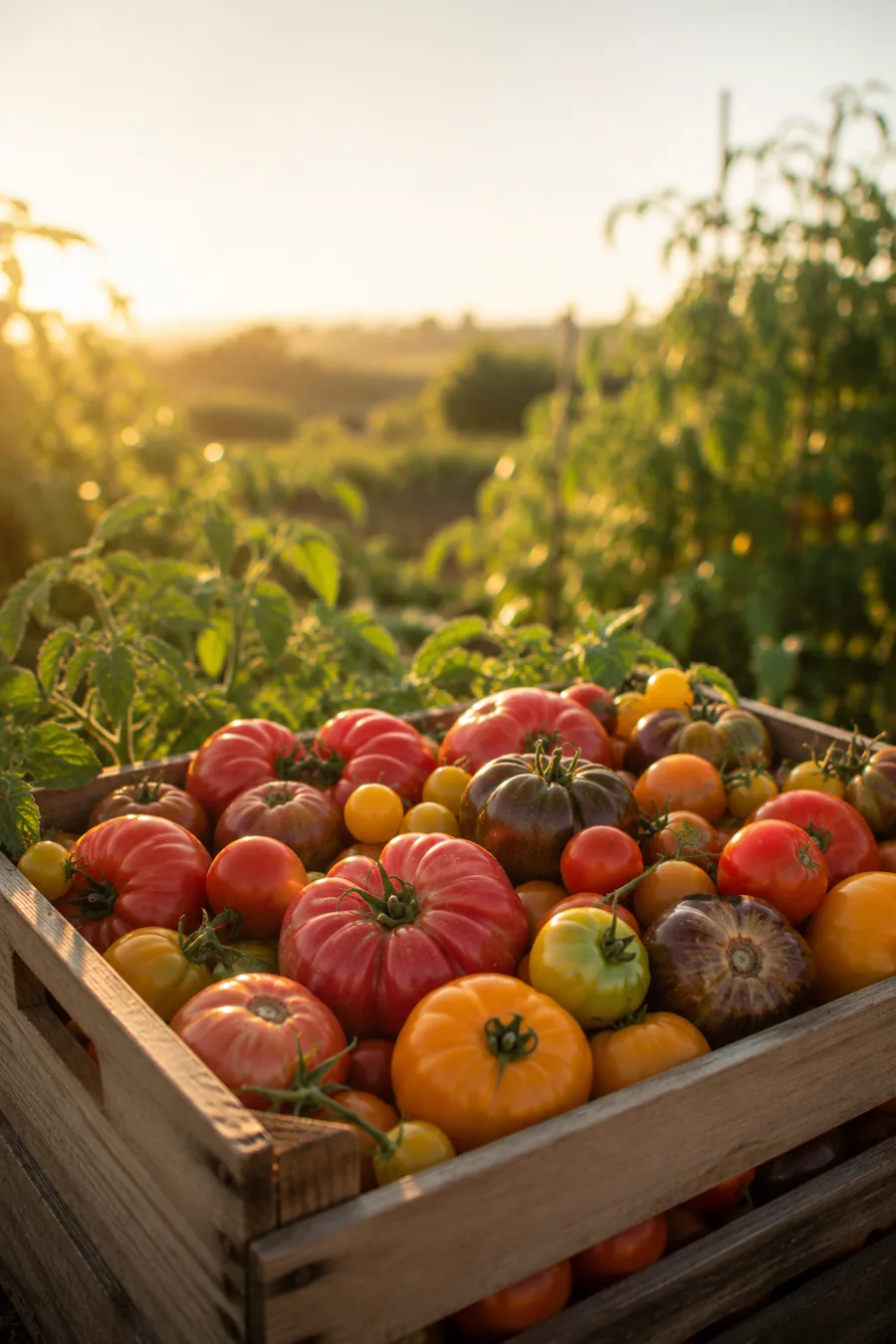
How to Grow Tomatoes in Hot Summer Climates — Varieties and Tips
Growing tomatoes in hot summer climates can be incredibly rewarding, but it does come with its own set of challenges. If you live in areas classified within USDA hardiness zones 9 through 11, you need to choose varieties that can thrive in high temperatures and ensure you provide the right care. Let’s dive into the best tomato varieties and some practical tips for a bountiful harvest!
Choosing the Right Varieties
When selecting tomato varieties for hot climates, you want to look for heat-tolerant options. Here are some top picks:
Heatmaster: As the name suggests, this variety is bred specifically for hot climates. It produces medium-sized fruits and has excellent resistance to blossom drop due to heat.
Sun Gold: A favorite among gardeners, these small, sweet cherry tomatoes thrive in the heat and produce a bountiful harvest.
Solar Fire: This variety is known for its ability to set fruit even in high temperatures, making it perfect for summer gardening.
Tropic: Ideal for regions with intense heat, Tropic tomatoes are juicy and flavorful, perfect for salsas and salads.
Florida 91: A high-yielding variety that does well in hot conditions, Florida 91 is resistant to cracking and offers a rich flavor.
Timing is Everything
In hot climates, timing your planting is crucial. Generally, you should aim to plant your tomatoes after the last frost date and when soil temperatures reach at least 60°F (15°C). In many southern regions, this can be as early as late winter or early spring.
To extend your growing season, consider starting your seeds indoors 6-8 weeks before the last frost date. This allows you to transplant healthy seedlings into your garden once the temperatures are consistently warm.
Preparing the Soil
Tomatoes thrive in well-draining, nutrient-rich soil. Here’s how to prepare your garden bed:
Choose the Right Location: Select a spot that receives at least 6-8 hours of direct sunlight daily. Tomatoes love the sun!
Soil Amendments: Test your soil pH, aiming for a range of 6.0 to 6.8. Amend your soil with compost or well-rotted manure to ensure it’s rich in organic matter. You can also add a balanced fertilizer to provide essential nutrients.
Mulching: Apply a layer of mulch around your plants to help retain moisture, regulate soil temperature, and suppress weeds. Organic mulches like straw or shredded leaves work great.
Watering Wisely
In hot climates, consistent watering is key to growing successful tomatoes. Here are some watering tips:
Deep Watering: Water deeply once or twice a week rather than giving your plants light, frequent waterings. This encourages deep root growth.
Morning Watering: Watering in the morning helps prevent evaporation and allows leaves to dry quickly, reducing the risk of fungal diseases.
Drip Irrigation: Consider installing a drip irrigation system to provide a steady supply of moisture directly to the roots, minimizing water waste and keeping the foliage dry.
Managing Heat Stress
Hot weather can stress your tomato plants, leading to issues like blossom drop and cracked fruit. Here are some strategies to manage heat stress:
Shade Cloth: During extreme heat, consider using shade cloth to protect your plants from the harsh afternoon sun. This can help reduce temperature and prevent sunburn on fruits.
Pruning: Remove any dead or yellowing leaves to improve air circulation, which can help plants manage heat better.
Fertilizing: Use a low-nitrogen fertilizer to avoid excessive foliage growth at the expense of fruit development. Look for fertilizers high in potassium and phosphorus to promote fruit set.
Pest and Disease Management
Hot weather can attract pests like aphids and spider mites. Keep an eye out for any signs of infestation and act quickly. Use natural pest control methods like introducing beneficial insects (like ladybugs) or applying insecticidal soap.
Also, practice crop rotation and avoid overhead watering to minimize disease risks. If you notice any signs of disease, remove affected leaves promptly to keep the problem from spreading.
Harvesting Your Tomatoes
Once your tomatoes begin to ripen, check them daily. For the best flavor, harvest them when they are firm but slightly soft to the touch and show a rich color. Remember, tomatoes continue to ripen after being picked, so you can always harvest them just before they reach peak ripeness if you’re concerned about pests or inclement weather.
Conclusion
Growing tomatoes in hot summer climates can be a delightful experience with the right techniques, varieties, and care. By choosing heat-tolerant varieties and implementing these practical tips, you can enjoy a bountiful harvest.
For personalized plant recommendations tailored to your specific zip code, visit GreenPrint.garden — just enter your zip code to get started! Happy gardening!