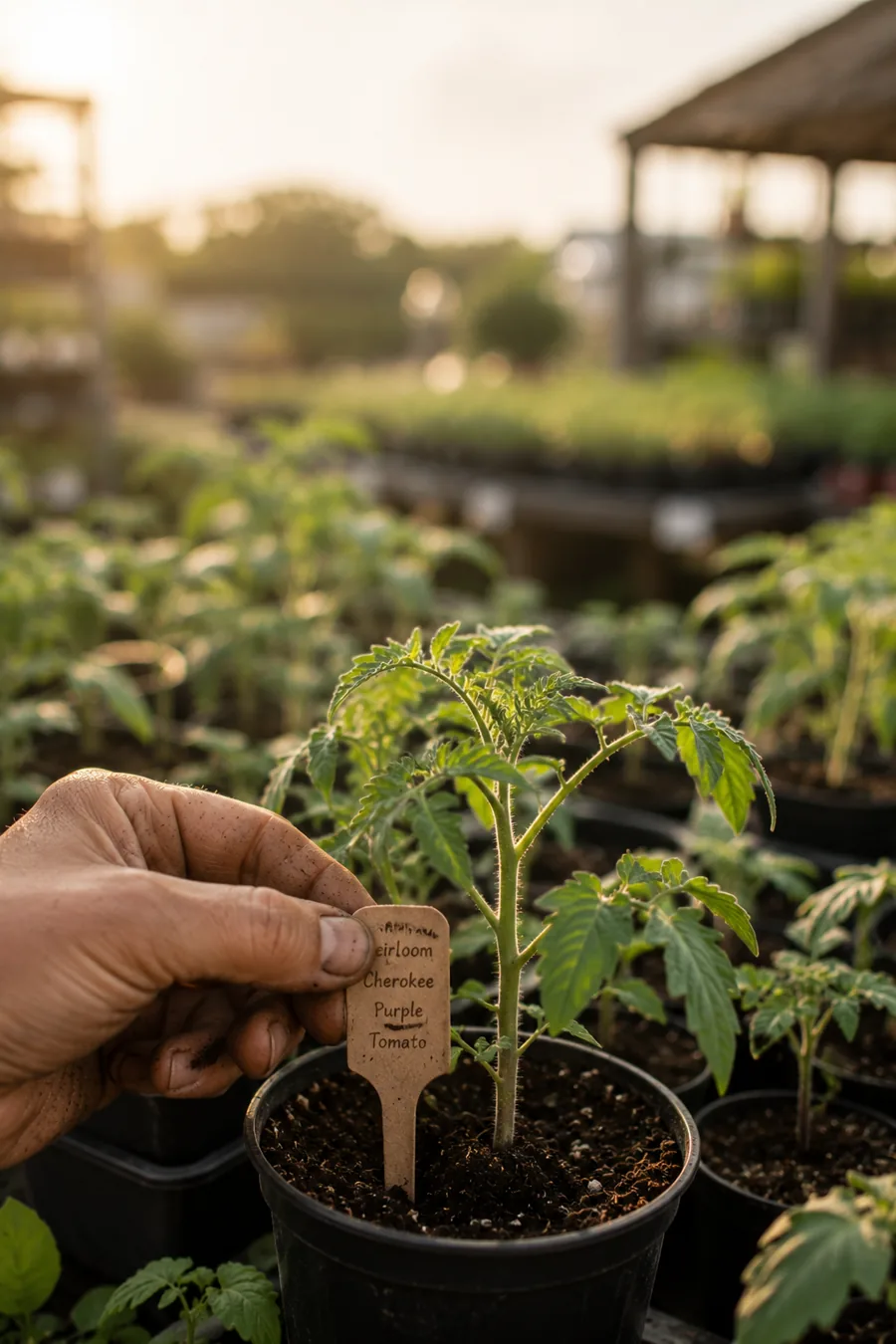
How to Read Plant Labels and Choose the Right Varieties
As a home gardener, the excitement of selecting new plants for your garden can quickly turn into confusion when faced with the myriad of labels in the nursery. Understanding how to read plant labels is key to ensuring that your garden thrives. In this post, I’ll guide you through the essential information on these labels and help you choose the right varieties for your gardening zone.
Understanding Plant Labels
Plant labels are your best friends in the gardening world. They provide crucial information about the plant’s needs, hardiness, and growth habits. Here’s what you should look for:
Common and Scientific Name: The common name is what most people use, but the scientific name (genus and species) helps you understand the plant better. For example, Rosa rubiginosa is the scientific name for sweet briar rose.
Hardiness Zone: This is a critical piece of information! Hardiness zones indicate which plants can survive in your climate. The USDA Plant Hardiness Zone Map divides North America into zones based on the average minimum winter temperature. For instance, if you live in Zone 5 (e.g., Chicago), you’ll want to choose plants that can handle temperatures down to -20°F.
Sunlight Requirements: Labels typically indicate whether a plant prefers full sun, partial shade, or full shade. Most vegetables, such as tomatoes and peppers, thrive in full sun (6-8 hours of direct sunlight). On the other hand, ferns and hostas enjoy shady spots.
Watering Needs: Look for guidance on how often to water the plant. Some plants, like succulents, require minimal watering, while others, such as ferns, need consistently moist soil.
Mature Size and Spacing: Understanding how large a plant will grow is essential for planning your garden layout. For instance, a mature hydrangea may reach 4-6 feet in height, so be sure to give it ample space from other plants.
Bloom Time and Season: Knowing when a plant blooms can help you create a garden that has color throughout the growing season. For example, peonies bloom in late spring, while chrysanthemums provide vibrant color in fall.
Choosing the Right Varieties
Now that you know how to read plant labels, let’s talk about how to choose the right varieties for your garden.
1. Consider Your Hardiness Zone
Your first step is to check your hardiness zone. This will help narrow down the plants that are likely to thrive in your area. Use resources like GreenPrint.garden to find personalized plant recommendations based on your zip code. This way, you can ensure you’re selecting varieties suited for your climate.
2. Assess Your Garden Conditions
Evaluate your garden's specific conditions. Do you have full sun, partial shade, or mostly shade? Is the soil well-drained or prone to standing water? For example, if you have a sunny spot and live in a warm climate, you might choose heat-loving plants like zinnias or marigolds.
3. Choose Native Plants
Native plants are adapted to your local environment and tend to require less maintenance. They also support local wildlife, such as pollinators. For example, if you’re in the Southeast, consider growing coneflowers or black-eyed Susans.
4. Plan for Seasonal Interest
To keep your garden vibrant year-round, include a mix of plants that bloom at different times. For spring interest, plant daffodils and tulips, while summer can feature sunflowers and daylilies. In fall, consider asters and ornamental grasses.
5. Think About Maintenance
Some plants require more care than others. If you’re a busy gardener, opt for low-maintenance varieties like lavender or sedum, which thrive with minimal intervention. Conversely, if you enjoy spending time tending to your garden, consider high-maintenance plants like roses or orchids.
Additional Tips for Successful Plant Selection
Check for Pests and Diseases: Before purchasing, inspect plants for signs of pests or diseases. Healthy plants are more likely to thrive in your garden.
Read Reviews or Ask Questions: Don’t hesitate to ask nursery staff for recommendations or check online reviews. Sometimes, fellow gardeners can provide insights on what works best in your area.
Start Small: If you’re unsure about a particular plant, start with just a few and see how they do before committing to a larger quantity.
Conclusion
Selecting the right plants for your garden may seem daunting at first, but by understanding how to read plant labels and considering your specific growing conditions, you can make informed choices. Remember to look for plants suited for your hardiness zone and local environment, and don’t hesitate to use resources like GreenPrint.garden for personalized recommendations based on your zip code.
With a bit of patience and practice, you’ll create a thriving garden that brings you joy for years to come.
Ready to find the perfect plants for your garden? Get your personalized plant recommendations at GreenPrint.garden — just enter your zip code!