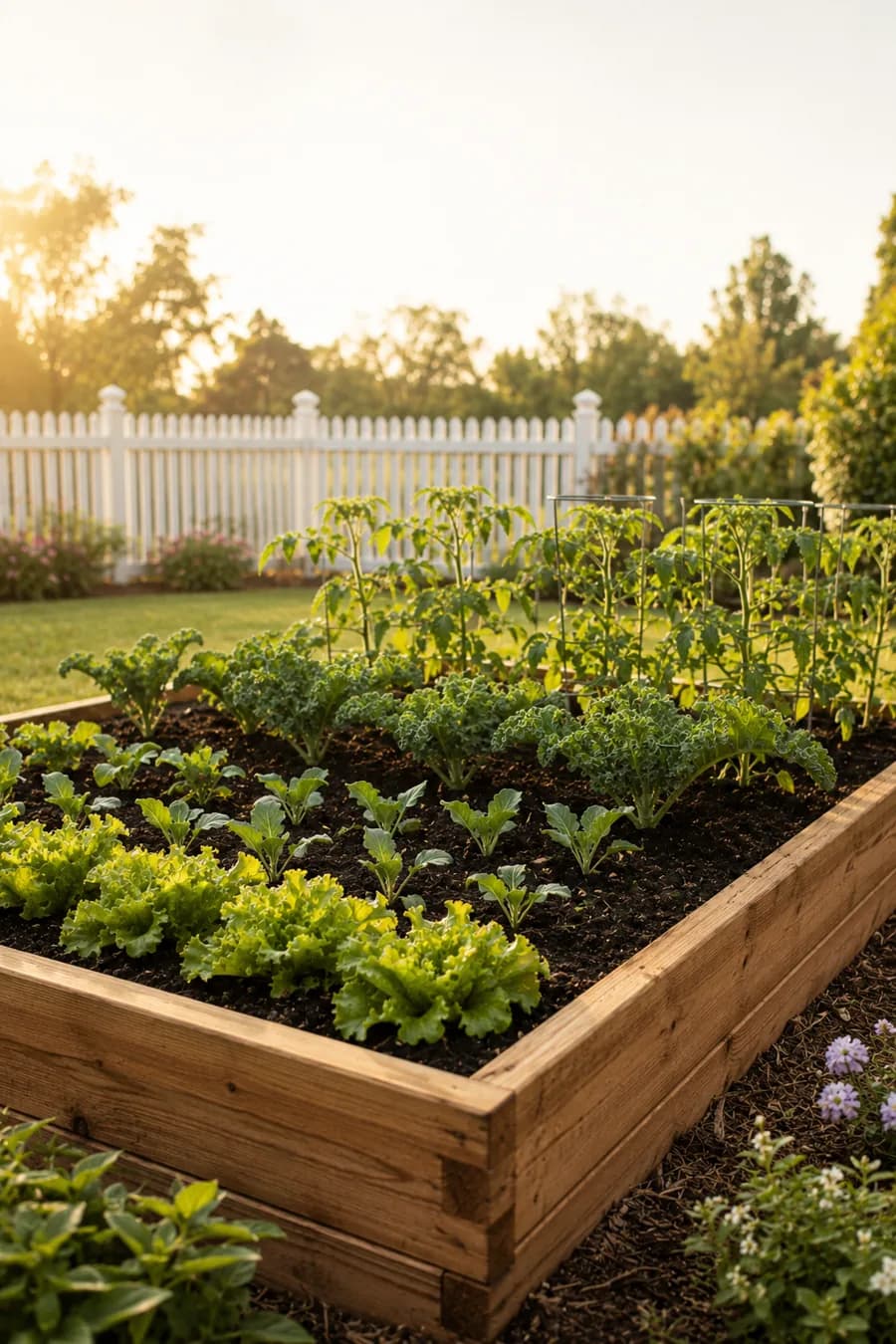
If there's one thing that's convinced more people to actually start gardening, it's raised beds. They're tidy, productive, easier on your back, and they give you control over something you can't always fix in the ground: your soil. Whether your yard has clay, rocks, or no real dirt at all, a raised bed sidesteps all of that.
This guide walks you through everything you need to know to build one and grow in it — no prior experience required.
Why Raised Beds Work So Well
Raised beds aren't just a trendy garden aesthetic. They solve real problems:
- Poor native soil — Fill it with exactly what your plants need instead of fighting clay or sand
- Drainage — Water moves through more freely, which most vegetables prefer
- Fewer weeds — A fresh soil mix has far fewer weed seeds than ground soil
- Warmer soil — Raised beds warm up faster in spring, giving you a head start on the season
- Easier access — No bending as far, less compaction from walking through beds
Even experienced gardeners with decent native soil often switch to raised beds simply because they're more manageable.
Choosing the Right Size
The most important measurement for a raised bed is width, not length. You want to be able to reach the center of the bed from either side without stepping in — that means keeping it no wider than 4 feet (3 feet if you only access it from one side).
Length is up to you. Common sizes:
- 4x4 feet — Great starter size, easy to manage
- 4x8 feet — The classic. Fits most standard lumber lengths, room for good variety
- 4x12 feet — More production, same maintenance principles
For height, 10–12 inches works for most vegetables. If your soil beneath is decent, 6 inches can work. If it's truly bad (compacted clay, gravel, etc.), go 12–18 inches deep so roots have room.
Materials: What to Build With
Untreated cedar or redwood are the gold standards — naturally rot-resistant and safe around food crops. They'll last 10–15+ years.
Pine or fir is cheaper and works fine, but will rot faster (3–6 years). If you're testing the concept before investing more, pine is a reasonable starting point.
Galvanized steel (corrugated metal beds) has become popular. It's durable, looks sharp, and won't rot. It can heat up in very hot climates, which some plants don't love — but most vegetables handle it fine.
Avoid: Treated lumber labeled CCA (chromated copper arsenate) — it contains arsenic. Modern pressure-treated wood uses ACQ or CA-B treatments, which are safer but still debated. If you're growing edibles, stick with cedar, redwood, or untreated pine if you want to be cautious.
The Best Soil Mix for Raised Beds
This is where raised beds really shine. Don't fill them with native yard soil — it compacts, drains poorly, and brings weeds. Use a custom mix instead.
The classic Mel's Mix (from Square Foot Gardening) is a great starting point:
- 1/3 blended compost
- 1/3 peat moss or coconut coir
- 1/3 coarse vermiculite
This creates a light, fluffy, moisture-retaining mix that roots love. For a more budget-friendly option:
- 60% topsoil
- 30% compost
- 10% perlite or coarse sand
Whatever you use, aim for something that holds moisture without getting waterlogged, and drains well without drying out instantly. The compost fraction is the most important — it's what feeds your plants.
What to Plant in Your First Raised Bed
Start with things that are easy and rewarding. Vegetables that do especially well in raised beds:
- Lettuce and salad greens — Fast-growing, can harvest repeatedly, perfect for smaller beds
- Radishes — Ready in 25–30 days, great for filling gaps
- Herbs — Basil, parsley, chives, and oregano all thrive
- Bush beans — Productive, low maintenance, good for beginners
- Zucchini — One or two plants will produce more than you expect (seriously)
- Peppers — Love the warmth raised beds provide
Once you're comfortable, move into tomatoes, cucumbers, and root vegetables like carrots and beets.
Spacing and Planting in Raised Beds
Because you're not walking through the bed and the soil is loose and fertile, you can plant more densely than traditional row gardening. Use square foot gardening spacing as a starting reference:
- Lettuce: 4–6 per square foot
- Peppers: 1 per square foot
- Tomatoes: 1 per 4 square feet
- Carrots: 16 per square foot
Closer spacing shades the soil, reduces weeds, and makes better use of your space.
Maintenance Through the Season
Raised beds are lower maintenance than in-ground beds, but they're not zero-maintenance. A few things to stay on top of:
Watering: Raised beds dry out faster than the ground, especially in summer heat. Drip irrigation or soaker hoses are worth the investment. Check moisture regularly.
Fertilizing: That rich soil mix won't feed your plants forever. Add compost each season, and supplement with a balanced fertilizer mid-summer for heavy feeders like tomatoes.
Topping off soil: Soil settles and breaks down over the years. Add 1–2 inches of compost each spring to keep the bed level and nutrient-rich.
You Don't Need a Perfect Setup to Start
A single 4x4 raised bed, some good soil mix, and a few transplants from the garden center is enough to start. Most people who build one raised bed build three more the following year. That's just how it goes.
Want to know exactly what to plant in your raised bed this season? GreenPrint.garden builds a personalized planting schedule for your zip code and growing zone — so you always know what to plant, when. Get your free garden plan today.