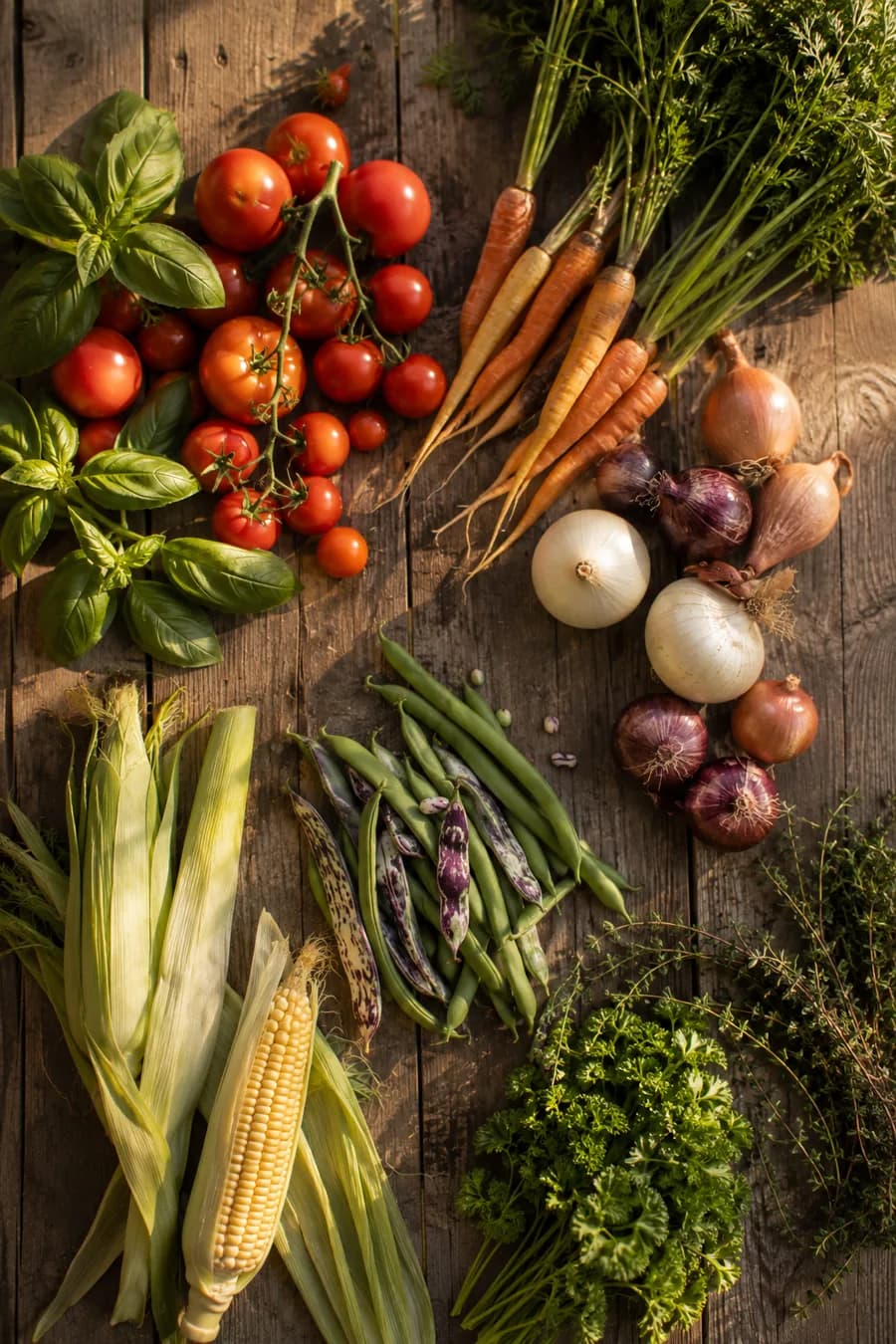
The Best Companion Plants for Your Vegetable Garden
Creating a thriving vegetable garden isn't just about planting seeds and waiting for them to grow. It's also about understanding the relationships between different plants. Companion planting is a time-tested gardening technique that can help maximize your garden's potential by pairing plants that benefit each other. In this post, we'll explore some of the best companion plants for your vegetable garden, along with practical tips to get started!
What is Companion Planting?
Companion planting involves growing different plants together for mutual benefit. Some plants can deter pests, enhance growth, improve flavor, or even provide necessary nutrients to their companions. Understanding these relationships can lead to a healthier, more productive garden.
Key Benefits of Companion Planting
- Pest Control: Certain plants can repel pests that might attack your vegetables.
- Nutrient Enhancement: Some plants help replenish the soil with nutrients.
- Space Efficiency: Companion planting can maximize space by utilizing vertical growth and ground coverage.
- Biodiversity: A mix of plants can create a more resilient ecosystem.
Top Companion Plant Pairings
Here are some of the best companion plants to consider for your vegetable garden:
1. Tomatoes and Basil
Benefits: Basil not only enhances the flavor of tomatoes but also repels pests like aphids and spider mites.
Planting Tips:
- Timing: Plant basil next to your tomatoes when the soil temperature reaches at least 60°F (around mid to late spring).
- Hardiness Zones: Both plants thrive in Zones 3-10.
2. Carrots and Onions
Benefits: The strong scent of onions can help deter carrot flies, while carrots can help loosen soil for onions.
Planting Tips:
- Timing: Sow carrots in early spring and onions in late winter to early spring.
- Hardiness Zones: Both can grow well in Zones 3-9.
3. Beans and Corn
Benefits: Beans fix nitrogen in the soil, benefiting the corn, while the corn provides support for climbing beans.
Planting Tips:
- Timing: Plant beans after the last frost when the soil is warm, typically in late spring.
- Hardiness Zones: Suitable for Zones 3-11.
4. Cabbage and Dill
Benefits: Dill attracts beneficial insects that prey on cabbage pests, while cabbage can provide shade for dill.
Planting Tips:
- Timing: Plant dill in early spring, and start cabbage indoors 6-8 weeks before the last frost.
- Hardiness Zones: Both thrive in Zones 3-9.
5. Marigolds with Vegetables
Benefits: Marigolds are excellent companions for a variety of vegetables as they repel aphids, nematodes, and other pests.
Planting Tips:
- Timing: Plant marigolds alongside your vegetables in spring after the last frost.
- Hardiness Zones: Best in Zones 2-11.
Practical Tips for Successful Companion Planting
Plan Your Layout: Before planting, take time to plan your garden layout. Use a sketch to ensure that companion plants are positioned effectively.
Rotate Crops: Practice crop rotation each year to prevent pest build-up and nutrient depletion. Companion planting can help with this by suggesting which plants should follow others.
Consider Plant Heights: Taller plants can shade shorter ones. For example, plant corn in the back with squash in front to use space efficiently.
Monitor Plant Health: Keep an eye on your plants for signs of stress or pest infestations. The presence of certain pests can indicate that companion plants are not working as intended.
Utilize Online Tools: Use resources like GreenPrint.garden to find personalized plant recommendations based on your zip code, ensuring that you select the best companions for your local climate and conditions.
Conclusion
Companion planting is an effective way to boost your vegetable garden's productivity and health. By carefully selecting which plants to grow together, you can create a balanced ecosystem that supports growth, deters pests, and maximizes your space.
Ready to enhance your gardening experience? Get your personalized plant recommendations at GreenPrint.garden — just enter your zip code and discover the perfect companions for your garden! Happy gardening!