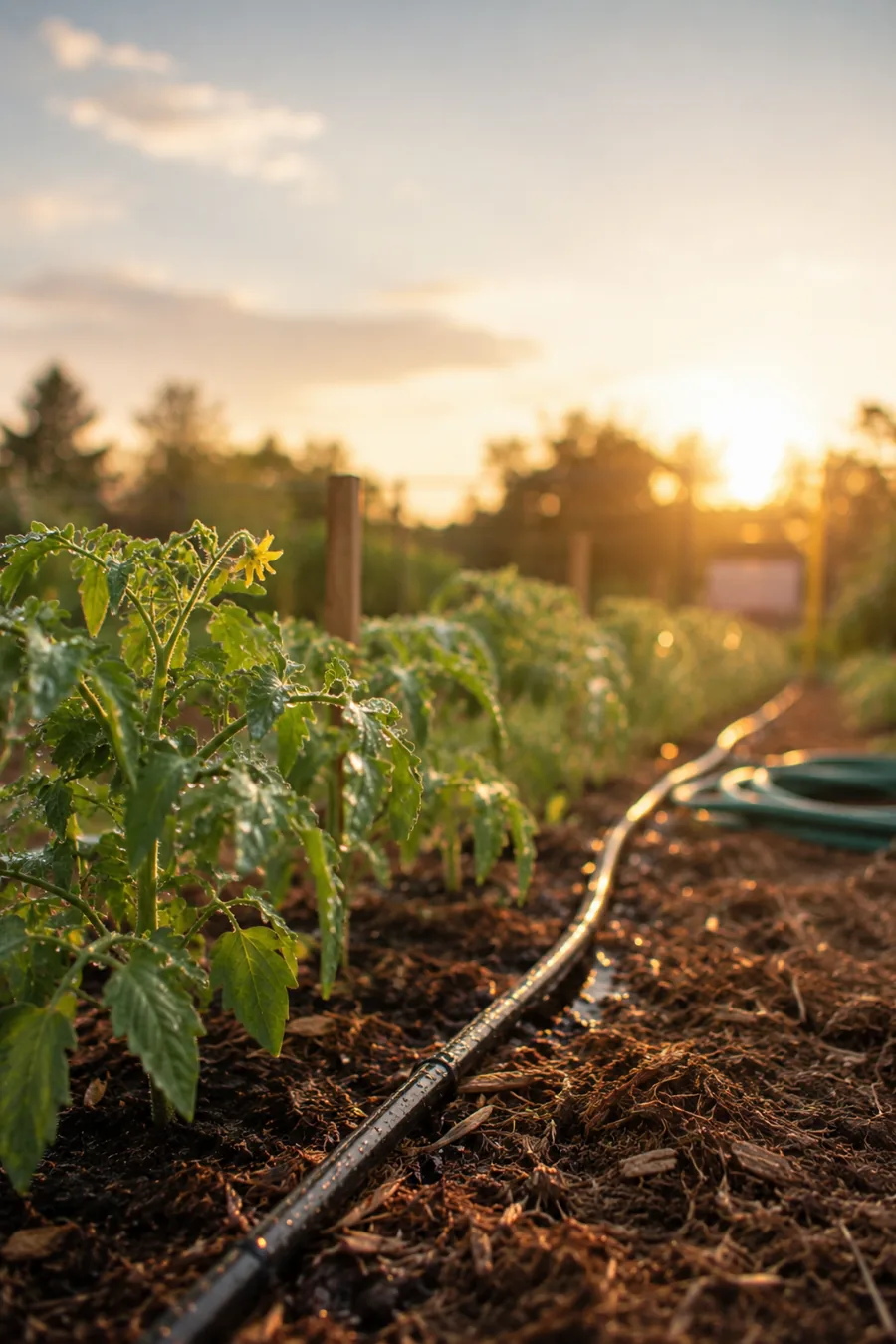
Watering Your Garden in Summer Heat: The Complete Guide
Watering sounds simple, right? You point a hose at your plants and they stay alive. But if you've ever had tomatoes crack, squash wilt overnight, or basil turn brown and crispy in July, you know there's more to it than that.
Watering in summer heat is genuinely one of the most impactful skills you can develop as a gardener. Get it right, and your plants will be lush, productive, and resilient even when temperatures climb past 95°F. Get it wrong, and you'll be fighting stress, disease, and disappointment all season long.
Let's talk about how to actually do this.
The Golden Rule: Deep and Infrequent
The biggest mistake gardeners make is shallow, frequent watering. Those daily surface sprinkles? They encourage shallow roots that can't reach deeper moisture when it gets hot. Plus, they evaporate before they do any good.
Instead, aim for deep watering 2-3 times per week, depending on your climate and soil. Here's what that means:
- Soil moisture should reach 6-8 inches deep — that's where the root zone lives
- Water less frequently, but more thoroughly — this trains roots to go deeper and makes plants more drought-resilient
- Most vegetables need about 1-2 inches of water per week — that's total from rain plus irrigation combined
The deeper the roots go, the better your plants can handle heat stress and dry spells.
Timing Matters (A Lot)
When you water is just as important as how much.
Water in the early morning — between 5-9 AM if possible. Here's why:
- Plants use water throughout the day as they photosynthesize and transpire
- Morning watering gives them a full reservoir before heat peaks
- Wet foliage dries quickly in morning sun, reducing fungal disease risk
- Less water is lost to evaporation than midday watering
Avoid evening watering, especially with overhead sprinklers. Wet foliage sitting all night creates perfect conditions for powdery mildew, leaf spots, and other fungal issues — particularly in humid climates.
Never water at midday if you can help it. 50%+ of the water evaporates before reaching roots, and you're wasting time and money.
How to Water (Method Matters)
Drip irrigation or soaker hoses are your best friends in summer heat. Water delivered at soil level:
- Reaches roots efficiently (90%+ makes it to the soil vs. 40-60% with sprinklers)
- Minimizes disease by keeping foliage dry
- Reduces evaporation losses dramatically
- Delivers water where it's actually needed
If you can't install drip:
- Use soaker hoses laid along plant rows — they're cheap and incredibly effective
- When hand-watering, aim at the soil base, not the leaves
- Water slowly so it soaks in rather than running off
Sprinklers and overhead watering should be your last resort in summer. Yes, they're convenient, but they waste water and increase fungal disease risk in hot, humid weather.
Mulch Is Non-Negotiable
If you're not mulching in summer heat, you're making your life needlessly hard.
Benefits of mulch in summer:
- Keeps soil 10-15°F cooler (huge for plant stress reduction)
- Cuts water evaporation by 50%+
- Regulates soil moisture (keeps it more consistent)
- Adds organic matter as it breaks down
What to use:
- Organic mulch: wood chips, shredded leaves, straw (not hay — it has seeds)
- Depth: 2-4 inches, but keep it 2-3 inches away from plant stems to prevent rot
- Refresh every year as it breaks down
Don't use plastic mulch or landscape fabric in summer heat — it can actually cook soil and roots.
Soil Type Changes Everything
Sandy soil drains quickly and needs more frequent watering. Clay soil holds moisture longer but can get waterlogged if you overdo it. Your watering schedule should adjust based on what you've got.
Sandy soil? Water more shallowly but more frequently (every 2-3 days in peak heat).
Clay soil? Water less frequently but deeper (2-3x per week max), and make sure drainage is good or you'll end up with root rot.
Ideal soil? Build it. Mix in 2-3 inches of compost before planting season — this dramatically improves water-holding capacity and drainage in any soil type.
Signs Your Watering Is Off
Underwatering signs:
- Wilting that doesn't recover by evening
- Leaf edges turning brown and crispy
- Blossom end rot on tomatoes (calcium deficiency from inconsistent water)
- Fruit cracking
Overwatering signs:
- Yellow leaves that feel soft/mushy
- Fungal diseases (powdery mildew, leaf spots)
- Root rot smell (like wet soil that won't dry)
- Slow plant growth despite good conditions
Tools That Make Summer Watering Easier
- Soaker hoses ($10-20) — lay them out, set a timer, forget about it
- Drip irrigation kits ($30-50 for basic setups) — more upfront cost, but worth it if you're serious
- Soil moisture meter ($15-30) — takes the guesswork out of "is it dry enough?"
- Timer on your spigot ($20-40) — automates early morning watering even when you're not home
What If You Go Out of Town?
If you're away during summer heat, automate. Set a timer to water early morning for 30-45 minutes. That one variable watering beats hoping neighbors remember, or risking plant loss.
For potted plants and containers (which dry out faster in heat):
- Water daily if possible
- Group pots together to create a microclimate
- Use self-watering containers if you're frequently away
Getting Help From Mother Nature
Pay attention to rainfall and adjust your watering accordingly. A half-inch rain doesn't count the same as a 1-inch soaking.
Quick rain-gauge trick: Put a straight-sided container in your garden. If it collects 1 inch total (rain + irrigation), you're good for that day. If it's half that, supplement with hand watering.
The Zone Matters
Your specific location — your hardiness zone, humidity levels, soil type — all affect watering needs. A garden in humid Atlanta has very different water needs than one in dry Phoenix.
GreenPrint.garden gives you zone-specific plant recommendations and planting guides tailored to your climate. Enter your zip code and get a personalized plan that accounts for your local heat, humidity, and growing season.
Get your personalized summer garden plan at GreenPrint.garden →
Smart watering = thriving garden. You've got this. 💧